Basement Waterproofing NJ for Stormwater Management Around Your Home

A wet basement is rarely just a basement problem. In New Jersey, it is usually a site drainage problem that finally reveals itself indoors. The water you see at the wall joint, around a floor crack, or near the utility corner often started outside, long before it crossed the foundation. It came off the roof too fast, ran down a short downspout, pooled against the house because of poor grading, or built up in soil already saturated from a week of rain. By the time it shows up on the basement floor, the house has already lost the first few chances it had to manage stormwater properly.
That is why basement waterproofing deserves to be discussed as part of stormwater management, not just as an interior repair. Homeowners often think of waterproofing as a coating, a sump pump, or a contractor fixing one wall. Those pieces can matter, but they work best when they are tied to how water moves across the lot, how your gutters discharge, how your soil drains, and how your foundation handles hydrostatic pressure during heavy weather.
In New Jersey, that full-picture approach matters more than many people realize. You have older housing stock in cities and inner-ring suburbs, expansive clay in some areas, sandy coastal soils in others, a mix of full basements and partial below-grade spaces, and storms that can dump several inches of rain in short order. Add leaf-clogged gutters, settled walkways, aging perimeter drains, and neighboring lots that shed water downhill, and you have a recipe for recurring moisture problems that no single quick fix will solve.
Why stormwater reaches the basement in the first place
Stormwater follows the path of least resistance, but it also follows gravity, soil conditions, and pressure. Around a house, the first challenge is usually too much water too close to the foundation. Once soil becomes saturated, water pushes laterally against basement walls and seeks any weakness. That can be a porous masonry wall, a cold joint where the wall meets the footing, a shrinkage crack in the slab, a pipe penetration, or a window well that fills faster than it can drain.
Hydrostatic pressure is a term homeowners hear often, sometimes without a clear explanation. In practical terms, it means the water in the soil around the foundation is pressing inward. That pressure does not care whether the basement was finished last year or whether the paint on the wall looks dry. If enough water builds up outside, it will exploit the smallest opening. This is why cosmetic sealing products so often disappoint people. They may slow vapor transmission or improve appearance, but they do not remove the pressure source outside the wall.
One of the most common patterns I have seen in New Jersey homes is the false assumption that if water only appears during major storms, the https://penzu.com/p/47c6bd7515418dc2 house is basically fine. In reality, intermittent leaking often points to a stormwater overload condition. During ordinary rain, the drainage weaknesses stay hidden. During a cloudburst or a long wet week, the system gets overwhelmed. These are the houses that stay dry until two inches of rain falls in twelve hours, then suddenly take on water along one wall or in one corner.
That pattern is important because it changes the repair strategy. A basement that leaks only in extreme weather often needs better management of peak flows, not just general damp proofing. Longer downspout extensions, improved grading, catch basins in hardscape areas, a larger sump basin, or a backup pump can make a bigger difference than another coat of wall sealer.
New Jersey conditions that make basement moisture harder to control
Basement waterproofing in New Jersey is shaped by local conditions. It is not the same conversation you would have in a dry climate, and it is not even the same from one county to the next.
Along the coast and in some low-lying areas, the water table can be high enough that groundwater pressure becomes a regular concern, not an occasional one. In those settings, interior drainage systems and sump pumps are often doing real work year-round. They are not merely insurance for rare storms. Inland, especially in older suburbs, clay-heavy soils can hold water against the foundation longer than homeowners expect. Clay drains slowly, expands when wet, and can create persistent wet zones near the footing. If a property also has marginal slope away from the house, the basement can end up receiving the runoff burden from both the roof and the yard.
Mature neighborhoods add another wrinkle. Trees are valuable, but roots can disrupt old clay drain lines, alter soil moisture patterns, and complicate exterior excavation. On older homes, it is also common to see a patchwork of prior fixes done over decades. One owner added splash blocks. Another sealed cracks from inside. A third installed a sump pump without addressing the downspouts. Each step may have helped for a while, but the overall system stayed incomplete.
Freeze-thaw cycles do their part too. A minor crack can widen over time. A settled stoop can tilt just enough to direct runoff toward the house. Mortar joints in older block or stone foundations can weaken, letting moisture pass more easily. None of this happens overnight, which is why homeowners are often surprised when a basement that was “usually dry” starts smelling musty or develops repeated seepage.
Basement waterproofing is really a sequence, not a single product
The phrase Basement Waterproofing NJ gets used broadly in marketing, but in practice, good waterproofing is a sequence of decisions. The order matters.
First, reduce the amount of water reaching the foundation. Second, improve the ability of surface and subsurface systems to carry water away. Third, manage whatever water still reaches the foundation with drainage, pumping, or wall treatment appropriate to the structure. When contractors skip that logic, homeowners spend money but keep the problem.
I have walked through basements where a perfectly good interior drain system kept running constantly because the roof water was still discharging three feet from the wall. I have also seen homes with new gutters but no relief for groundwater rising under the slab. Both situations underline the same point. Waterproofing is not one thing. It is coordination between the roof edge, the soil line, the foundation wall, and the basement floor.
A professional assessment should connect those dots. If it does not, be cautious. You want someone who asks where the water enters, when it happens, how long it stays, what the grade looks like, where each downspout discharges, whether the sump runs in dry weather, whether there are window wells, and whether neighboring lots drain toward your house. Those details separate a durable solution from a sales pitch.
Start outside, because that is where most basement water begins
The simplest and most overlooked stormwater management improvements are often outside the home. They are not glamorous, but they are foundational.
Roof runoff is the first place to look. A typical roof sheds a surprising amount of water during a storm. Even a moderate rain can put hundreds of gallons into the gutter system in a short period. If gutters are undersized, clogged, poorly pitched, or missing at key roof edges, water dumps beside the foundation instead of moving safely away. In New Jersey, where leaves, seed pods, and storm debris can build up quickly, routine cleaning matters more than many homeowners think.
Downspouts deserve equal attention. A short discharge elbow that drops water right beside the house defeats the whole purpose of the gutter system. Extensions should carry water well away from the foundation, and where site conditions allow, discharge should be directed toward a lower area that drains naturally without affecting neighboring properties. Some homes benefit from buried solid pipe to daylight, while others need a pop-up emitter or tie-in to an approved drainage layout. The details depend on the lot, but the principle does not change. Roof water should not linger at the base of the house.
Grading is the next major factor. Soil should slope away from the foundation so rainfall moves outward rather than settling along the wall. Even a subtle reverse pitch can make a big difference during prolonged rain. The challenge is that many homes lose that slope over time. Mulch beds build up, soil settles unevenly, patios get added, and contractors backfill without compacting properly. A homeowner may look at the yard and think it appears level, but level near a foundation is often not good enough. The house needs positive drainage.
Hardscape can quietly sabotage that drainage plan. Walkways, driveways, and patios that tilt toward the home funnel stormwater exactly where you do not want it. I have seen water issues traced to a concrete walk that had settled less than an inch near the front steps. During light rain, no one noticed. During a summer downpour, that shallow trough directed sheet flow straight to the foundation.
When interior waterproofing is the right call
There is a tendency to frame exterior and interior waterproofing as competing philosophies. In reality, each has a place. Exterior corrections should usually come first where feasible, but there are many New Jersey basements where interior systems are the most practical or cost-effective way to handle persistent subsurface water.
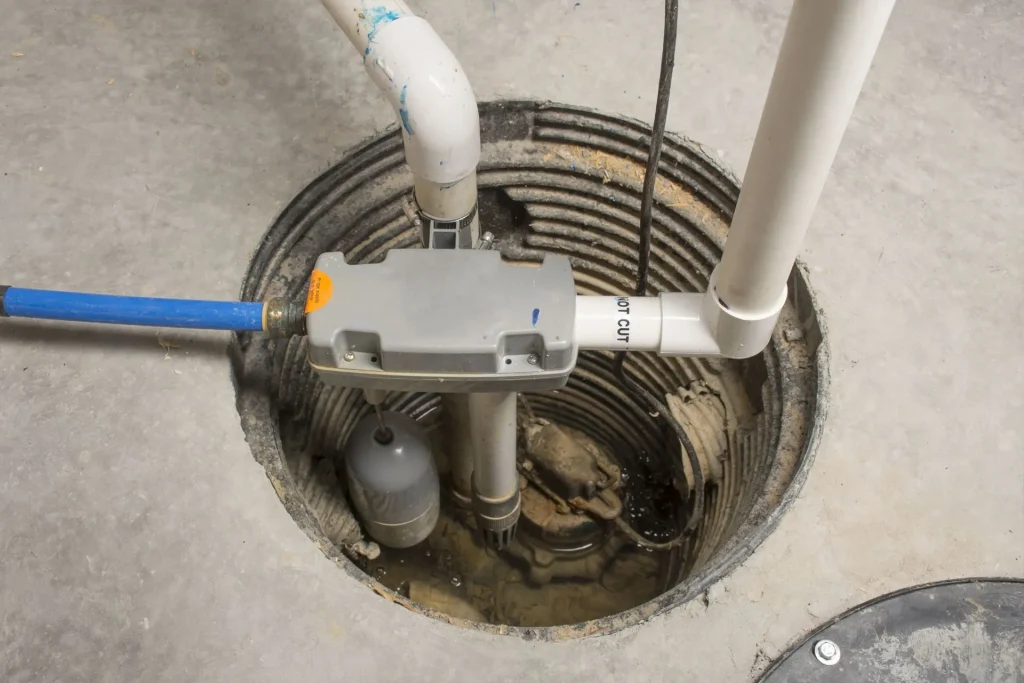
An interior perimeter drainage system collects water at the footing level and channels it to a sump basin, where a pump discharges it safely away from the house. This approach does not stop water from reaching the outside of the wall, but it relieves pressure and prevents water from rising onto the basement floor. On homes with high groundwater, recurring cove joint seepage, or inaccessible exterior conditions, it can be an excellent solution.
That said, interior systems are only as reliable as their design and maintenance. A pump should be sized for the expected load, not chosen as the cheapest item on the truck. The discharge line needs a proper route and freeze protection. A check valve matters. So does a sealed basin lid if odor, humidity, or radon concerns are in play. In parts of New Jersey where outages coincide with storms, battery backup or water-powered backup is not a luxury. It is a practical safeguard.
Finished basements raise the stakes. Water damage in an unfinished utility area is bad enough. In a finished basement with flooring, drywall, trim, furniture, and electronics, one pump failure during a storm can cause several times the loss. That is why I often advise homeowners to think less about whether they have ever flooded badly and more about what happens if the system fails on the worst weather night of the year.
Crack repair, wall coatings, and where they fit
Cracks worry homeowners because they are visible, and sometimes they should. But not every crack means structural danger, and not every leak needs excavation. The key is to understand what the crack is doing.
A non-structural shrinkage crack in poured concrete can often be repaired effectively from the interior with injection methods, especially if the crack is accessible and the rest of the drainage picture is sound. On the other hand, step cracking in masonry, bowing walls, or repeated reopening after repair deserves a deeper look. Water management and structural movement can overlap, and ignoring one while treating the other usually leads to repeat problems.
Wall coatings have a narrower role than advertising suggests. They can help reduce dampness transmission through masonry and improve a basement's appearance, but they are not a cure for active water intrusion under pressure. If water is forcing its way through cracks, joints, or the slab edge, a coating alone will not keep up. I have seen many basements where fresh white waterproof paint looked clean for six months and then began blistering because the underlying problem was never addressed.
Moisture is not always visible water
Stormwater management is also about the moisture you do not immediately see. A basement can stay technically dry while still being too humid, and that persistent humidity leads to moldy odors, corrosion, peeling finishes, and unhealthy indoor air.
This often happens when rain keeps the surrounding soil wet for long periods. Moisture vapor migrates through porous materials, especially older masonry. The homeowner notices a musty smell after storms, cardboard boxes soften at the bottom, and metal shelving begins to rust. No puddles appear, so the issue gets dismissed. Months later, a finished wall cavity reveals mold growth or insulation damage.
The fix may still involve drainage improvements, but it also requires humidity control and realistic storage habits. Basements that are below grade in New Jersey often benefit from dedicated dehumidification during the wetter months. Plastic bins outperform cardboard. Finished materials should be chosen with some humility about risk. I prefer products that tolerate incidental moisture better than paper-faced drywall and plush carpet do, especially in basements with any prior history of seepage.
How to recognize when the problem is bigger than a gutter cleaning
Not every damp basement calls for a major waterproofing project. Sometimes the issue is straightforward and relatively affordable. Sometimes it is not. The challenge is telling the difference before you spend money in the wrong place.
A few signs suggest the house needs a more comprehensive stormwater and waterproofing review:
- Water appears after heavy rain even though gutters are clean.
- The same basement corner gets wet repeatedly.
- The sump pump runs often, even in modest weather.
- You smell mustiness year-round, not just in summer.
- Efflorescence, peeling paint, or rust lines keep returning on lower walls.
These clues do not automatically mean a major system failure, but they do suggest the home is not managing water well enough at one or more points in the chain.
The value of diagnosis before excavation
Homeowners are understandably wary of big waterproofing proposals, and they should be. Exterior excavation can be effective, but it is expensive, disruptive, and not always necessary. Interior systems can also be oversold. The best money is often spent first on diagnosis.
A careful inspection looks at timing, patterns, and the path of water. Does seepage occur only after wind-driven rain against one wall? Is it worse in spring when the ground is already saturated? Does it coincide with overflowing gutters or ponding near a stairwell? Are there signs of old repairs failing? Those observations matter because they narrow the field of likely causes.
I remember one home where the owners were prepared to excavate an entire side wall because of recurring seepage in a finished basement. The actual cause was more layered. Two downspouts were discharging near the foundation, the side yard had settled toward the house, and a window well drain was clogged with fine sediment. Once those issues were corrected, the interior leakage stopped. That outcome is not universal, but it is common enough to justify a methodical approach.
What homeowners can do now to reduce risk
Not every improvement requires a full contract right away. There are practical steps that help reduce stormwater pressure around the house and make future waterproofing work more effective.
Clean and inspect the gutters before storm season and again after major leaf drop. Watch where every downspout sends water during a real rain, not just on a sunny day when the ground looks dry. Walk the perimeter and look for low spots, settled soil, and hard surfaces that aim runoff toward the house. Check window wells for debris and confirm they drain. If you have a sump pump, test it with water in the basin and make sure the discharge line is clear.
Those may sound basic, but they reveal a lot. A homeowner who spends twenty minutes outside in a storm learns more about site drainage than from a week of guessing indoors.
Choosing a Basement Waterproofing NJ contractor with good judgment
The New Jersey market has excellent waterproofing professionals, but it also has companies that treat every basement like the same script. What you want is judgment. The contractor should explain why water is getting in, what part of the problem is surface runoff versus subsurface pressure, and which repairs are essential versus optional.
A good proposal reflects the house, not a template. It should account for age, foundation type, lot shape, finish level, pump needs, and discharge routing. It should also acknowledge limits. For example, if a property sits in a consistently high water table area, the goal may be reliable control, not eliminating all groundwater presence outside the foundation. That is an honest distinction.
Ask how the system handles power outages, where the water will discharge, what maintenance is required, and how the plan changes if the first intervention does not resolve every symptom. Thoughtful answers are usually more valuable than flashy promises.
Waterproofing as protection for the whole property
The basement is where the problem shows itself, but stormwater affects the whole property. Poor drainage can undermine walkways, damage landscaping, accelerate foundation wear, and create mosquito-prone wet areas. Effective Basement Waterproofing NJ work supports broader property performance. It helps preserve indoor air quality, reduces the risk of mold, protects finishes and storage, and lowers the chance that one severe storm turns into a major insurance headache.
It also changes how a home feels. A dry basement is easier to use, easier to maintain, and far less likely to carry that faint damp smell that owners stop noticing until a visitor mentions it. Whether the space is unfinished storage or a fully finished living area, controlling stormwater around the foundation is one of the most practical investments a homeowner can make.
The important part is to think beyond the leak itself. Water at the basement wall is the final symptom, not the first event. When you manage the roof runoff, the grade, the collection points, the drainage paths, and the backup systems together, the basement becomes much easier to keep dry. That is the difference between a temporary patch and a storm-ready home.
ARD Waterproofing
Address: 98 Smull Ave, West Caldwell, NJ 07006
Phone number: +12016465936
FAQ About Basement Waterproofing NJ
What is the best waterproofing method for a basement?
The best overall approach to waterproofing a basement is a combined exterior and interior system that stops water at the foundation wall and safely manages any moisture that gets through.
What is the average cost to waterproof a basement?
The average cost to waterproof a basement ranges from $2,500 to $15,000, with most homeowners paying around $5,200 for a complete project.
Can a basement be waterproofed from the inside?
Yes, a basement can be waterproofed from the inside, and it is often the most affordable and least disruptive method.