How Basement Waterproofing Protects Flooring, Walls, and Furnishings
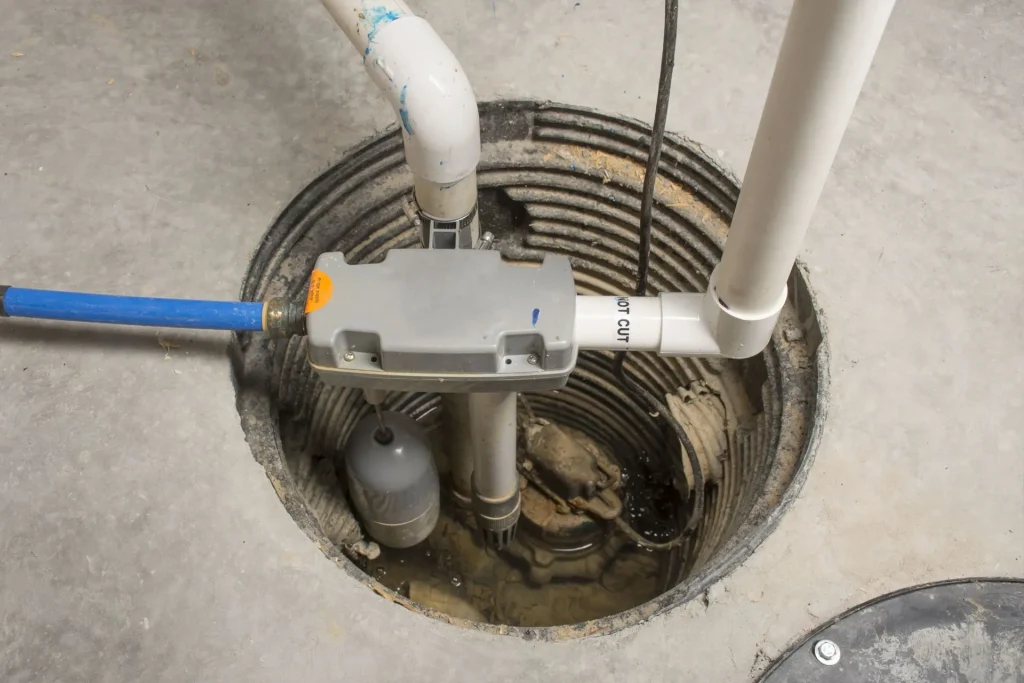

A basement does not have to flood to suffer water damage. In practice, the expensive problems often start with much smaller failures: a damp corner behind a storage shelf, a wall that feels cool and clammy in July, a faint musty odor after heavy rain, or a luxury vinyl floor that begins to lift at the seams for no obvious reason. By the time those signs are visible, moisture has usually been present for a while.
That is why Basement Waterproofing matters far beyond keeping puddles off the slab. It protects finishes, preserves furniture, limits mold growth, and helps the lower level function like the rest of the house. Whether the basement is finished as living space or used for storage, controlling water is what keeps flooring flat, walls sound, and furnishings usable.
Homeowners often think of water damage as a dramatic event, usually tied to a failed sump pump or a storm drain backup. Those events happen, but many basements are damaged by ordinary moisture movement. Water vapor migrates through concrete. Groundwater presses against foundation walls. Humid indoor air condenses on cool surfaces. A tiny crack can wick moisture into framing and trim for months before anyone notices. The result is not always standing water. More often, it is gradual deterioration.
Moisture rarely stays where it starts
Basements are unforgiving environments because they sit below grade, surrounded by soil that holds water. When the ground outside becomes saturated, hydrostatic pressure increases against the foundation. Concrete and masonry are durable, but they are not waterproof by default. They can absorb moisture, transmit it inward, and release it into the basement air.
Once moisture enters, it travels. A damp wall can feed humidity into the room. High humidity can affect boxes, upholstery, wood furniture, and flooring adhesives several feet away from the original source. Water that enters at one crack may show up as staining in another area. I have seen homeowners focus on one wet spot near a floor drain while the more serious issue was hidden behind finished drywall twenty feet away.
This is one reason cosmetic fixes tend to disappoint. Paints marketed as waterproof coatings can help in limited situations, but they do not relieve pressure outside the wall. If water is forcing its way through the foundation, a coating alone is usually a short-term patch. Real protection comes from identifying how water is entering, how moisture is moving, and which materials are vulnerable once it gets inside.
What moisture does to basement flooring
Flooring is often the first casualty because it sits directly over the slab or over a subfloor assembly that can trap moisture. Different materials fail in different ways, but nearly all of them react badly to chronic dampness.
Carpet can seem forgiving at first. It dries on the surface, and homeowners assume the problem is over. Underneath, the pad may stay wet much longer, especially near the perimeter or under furniture. That trapped moisture creates odor, encourages microbial growth, and breaks down backing over time. Even one or two minor wetting events can leave carpet looking serviceable while the padding beneath has become a permanent source of mustiness.
Engineered wood and laminate flooring are less tolerant than many buyers realize. Moisture from below can cause swelling at seams, softening of fiberboard cores, edge cupping, and delamination. Once those changes occur, the floor rarely returns to its original shape. I have walked into finished basements where only a few planks near the exterior wall looked affected, yet moisture readings showed elevated levels across much of the room. The visible damage was simply the leading edge.
Luxury vinyl plank performs better in damp areas than wood-based products, but it is not invincible. The planks themselves may resist water, yet the substrate below still matters. If the slab remains damp, adhesive can fail, mold can develop on organic dust or underlayment, and interlocking joints may separate as the floor shifts. Tile is often considered the safest basement flooring, and in many cases it is, but even tile systems can suffer when moisture migrates through the slab. Efflorescence, loose grout, and debonded tiles are all familiar outcomes when the moisture issue is left unresolved.
A well-executed Basement Waterproofing plan protects flooring by reducing both liquid water intrusion and ambient humidity. That distinction matters. A basement can damage flooring without a single obvious leak if relative humidity stays high enough long enough.
Walls absorb more punishment than people expect
Basement walls fail more quietly than floors. Water staining, peeling paint, and a chalky white residue called efflorescence are common warning signs, but damage often runs deeper.
Drywall is particularly vulnerable. It can wick moisture from the slab if it is installed too close to the floor, absorb humidity from the air, and conceal mold growth on its back face. Insulation inside finished wall cavities can become compressed and ineffective when damp. Wood studs and bottom plates may remain wet long enough to support rot fungi or mold, especially where air circulation is poor.
Even unfinished walls can deteriorate. Painted concrete may blister. Mortar joints in older block foundations can weaken over time. Repeated wetting and drying cycles leave mineral deposits, which are not just cosmetic. Efflorescence signals that water is moving through the wall and carrying dissolved salts with it. If that movement continues, surface coatings lose adhesion and the wall system becomes harder to maintain.
The risk increases in finished basements because finishes can hide the early evidence. A basement family room may look immaculate while moisture is collecting inside the wall cavity. By the time baseboards swell or drywall softens, the repair often involves demolition, drying, treatment, and rebuild work. Homeowners are frequently surprised by the scale of the fix because the visible stain was so small.
Furnishings suffer from humidity as much as leaks
Stored belongings and furniture are often thought of as secondary concerns, but they are usually where the personal loss is felt most sharply. A finished wall can be replaced. Family photo albums, inherited furniture, or a home office setup are harder to shrug off.
Upholstered furniture absorbs basement odors quickly. Once foam and fabric take on a musty smell, full recovery is uncertain. Wood furniture can swell, loosen at joints, or develop finish defects when humidity remains elevated. Metal legs and hardware corrode. Mattresses stored temporarily in a basement can become unusable after one humid season. Cardboard boxes soften and sag, transferring moisture to their contents. Even plastic bins are not perfect if humid air is trapped inside when they are sealed.
Electronics are another overlooked category. A damp basement can shorten the life of receivers, gaming systems, desktop computers, and exercise equipment with digital controls. Corrosion is not always immediate or obvious. It can begin as a subtle film on contacts and progress until failures become intermittent and frustrating.
I once saw a basement media room where no one had noticed active water entry. The room looked dry. The warning sign was actually rust appearing on the screws of a speaker mount and a persistent smell in the sectional sofa near an exterior wall. Moisture readings later showed that the wall cavity was wet from recurring seepage after storms. The furnishings revealed the problem before the wall did.
The quiet cost of “almost dry”
Many basements live in an in-between state. They are not visibly wet, but they are not truly dry either. Homeowners adapt. They run a dehumidifier in summer, avoid storing things in one corner, and put off replacing old https://penzu.com/p/cc6e8fcf46fb799f carpet because the room never feels quite right. This is the zone where long-term damage accumulates.
An almost dry basement often carries hidden costs. Flooring has a shorter service life. Paint and trim need repeated touch-ups. Furnishings age faster. Air quality complaints become common, especially among people sensitive to mold or damp environments. Energy bills can climb because humid air feels uncomfortable and encourages overuse of cooling equipment. If the space is finished, resale conversations get more complicated. Buyers notice odors, staining, and patchwork repairs, even when they cannot immediately diagnose the source.
Basement Waterproofing changes that equation because it addresses the underlying water dynamics rather than the symptoms. When done correctly, it reduces uncertainty. That has real value for anyone planning to renovate, finish, or simply use the basement with confidence.
What an effective waterproofing approach actually includes
No single product solves every basement moisture problem. Effective protection depends on the source of water, the type of foundation, site grading, drainage conditions, and whether the basement is finished. In some houses, exterior grading and gutter corrections make a measurable difference. In others, interior drainage channels and sump systems are the more practical path. There are cases where wall crack injection is appropriate, and others where it is only part of the answer.
This is where professional judgment matters. A basement with occasional seepage at one cold joint does not need the same intervention as a basement with hydrostatic pressure across multiple walls. Likewise, a space used only for mechanical equipment can tolerate conditions that would be unacceptable under carpet and drywall.
The strongest waterproofing plans usually combine water management outside the house with moisture control inside it. That may include redirecting roof runoff, ensuring soil slopes away from the foundation, sealing specific entry points, relieving water at the footing level, and managing indoor humidity. When several smaller weaknesses are corrected together, the results are often better than relying on one dramatic fix.
Signs that flooring, walls, and furnishings are already at risk
Some warning signs are obvious, while others are easy to dismiss. If any of these are recurring, the basement is telling you something.
- Musty odor that returns after rain or during humid weather
- Flooring edges that curl, swell, or separate near exterior walls
- Paint blistering, efflorescence, or staining on concrete or drywall
- Rust on metal furniture legs, shelving, or appliance components
- Condensation on cool surfaces, especially pipes, windows, or wall areas
One sign alone does not always confirm a major issue, but patterns matter. A basement that smells damp every summer and shows minor wall staining in winter has a moisture problem even if the floor never floods.
Waterproofing preserves renovation investments
Finishing a basement is expensive, and the financial risk rises sharply when moisture is treated as an afterthought. Homeowners often spend heavily on framing, insulation, drywall, flooring, recessed lighting, and custom storage, then try to save money by skipping a full moisture-control plan. That choice can undo the whole project.
A modest waterproofing investment before renovation usually costs less than partial demolition later. The difference becomes even more pronounced when custom materials are involved. Built-in cabinetry, premium flooring, and upholstered sectionals do not respond well to repeated drying cycles or intermittent seepage. Once moisture gets under or behind these finishes, repairs become invasive.
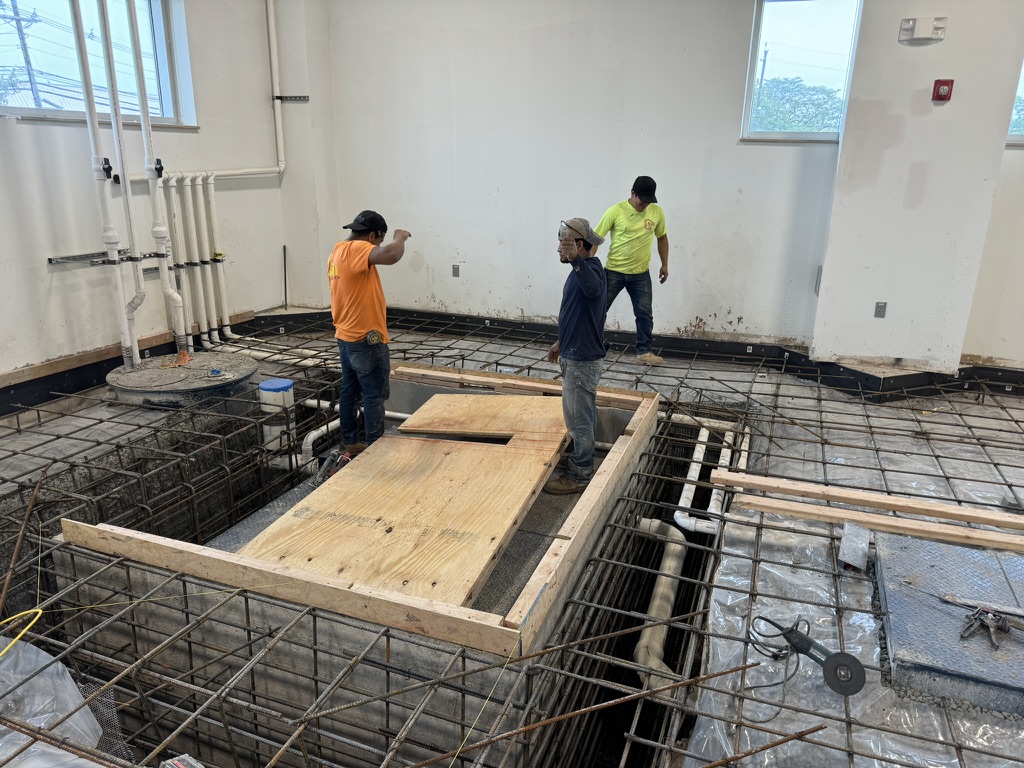
There is also a sequencing issue. Waterproofing is easiest when the structure is exposed. After the walls are closed up and trim is installed, diagnosing and correcting hidden moisture gets more disruptive. If a homeowner is even considering a basement remodel, waterproofing should be part of the planning conversation from the start, not a last-minute add-on.
Not every moisture problem starts with groundwater
People often associate Basement Waterproofing with heavy rain and rising water tables, but interior moisture can be just as destructive. Basements naturally run cooler than upper floors. In summer, warm humid air enters and contacts those cooler surfaces. Condensation forms, sometimes behind furniture or inside closets before it shows in open areas.
That means a basement can damage furnishings and wall finishes without visible seepage through the foundation. Air leaks around rim joists, uninsulated cold-water lines, and oversized dehumidifier settings can all contribute to persistent dampness. In these cases, the fix may involve air sealing, insulation adjustments, and better humidity control along with structural waterproofing measures.
This is another reason broad assumptions fail. If someone says, “The basement never leaks, it just smells damp,” that does not rule out meaningful damage. Odor is often the first signal that moisture conditions are supporting mold growth on dust, paper facings, or stored items.
The trade-offs homeowners should understand
Waterproofing decisions involve practical trade-offs. Exterior excavation can be highly effective because it addresses water before it reaches the wall, but it is disruptive and often more expensive, especially with patios, landscaping, or limited access. Interior drainage systems are less invasive from the yard side and can perform very well, but they manage water after it reaches the foundation rather than stopping it outside. Neither approach is automatically right or wrong.
Material choice matters too. In a basement with a history of minor moisture, resilient finishes and mold-resistant assemblies make sense even after waterproofing work is completed. That might mean avoiding standard drywall in certain locations, selecting inorganic trim where appropriate, or using flooring systems that tolerate occasional humidity swings better than wood-based products.
There is also the issue of expectations. Waterproofing should create a dry, usable environment, but it should not be confused with making a basement behave exactly like a second-floor bedroom. Basements remain below-grade spaces. They require sensible materials, routine observation, and ongoing maintenance of drainage systems.
Good waterproofing work supports indoor air quality
The connection between moisture and indoor air quality is direct. Damp basements feed musty odors into the entire house through the stack effect, where air rises and moves upward through the building. What starts in the basement does not necessarily stay there. Occupants may notice stale air on the main floor, unexplained allergy irritation, or a house that never smells fully fresh despite cleaning.
When Basement Waterproofing reduces moisture load, the whole home often feels better. Dehumidifiers run less. HVAC systems are not working against basement humidity as aggressively. Soft goods stored downstairs stop carrying odors upstairs. These improvements are sometimes the most noticeable benefit, even more than the absence of visible water.
Protecting what stays in the basement
Not every homeowner plans to finish the basement, but nearly everyone stores something there. That alone justifies moisture control. Seasonal decorations, tax records, tools, paint supplies, off-season clothing, exercise equipment, and spare furniture all deteriorate faster in damp conditions.
For unfinished basements, the goal is not luxury. It is preservation. Shelving should keep contents off the floor. Sensitive items should go in sealed containers. Air circulation should not be blocked tightly against exterior walls. But storage best practices only go so far if the environment remains damp. Waterproofing creates the stable baseline that allows those habits to work.
After waterproofing, maintenance still matters
Even a strong waterproofing system needs periodic attention. Homes settle, gutters clog, downspout extensions shift, and sump pumps age. Small lapses can reintroduce moisture surprisingly quickly.
- Clean gutters and verify downspouts discharge well away from the foundation
- Test sump pumps before wet seasons and consider a battery backup where risk is high
- Keep grading pitched away from the house, especially after landscaping work
- Monitor basement humidity, aiming for a moderate range rather than “as low as possible”
- Inspect for new cracks, odor changes, or finish movement at least a few times a year
None of this is glamorous, but it is practical. A basement does not need constant worry, just consistent observation.
Why the best time to act is before visible damage spreads
Most water damage in basements starts small and gets expensive slowly. That can make it easy to postpone action. A little staining seems harmless. A dehumidifier appears to solve the problem. A rug covers a cold patch of floor. Months later, the room smells worse, the base trim swells, and stored items in the corner feel damp.
The advantage of early waterproofing is not just avoiding a flood. It is preserving materials before they cross the point of no return. Flooring can remain flat. Wall assemblies can stay intact. Furniture can remain clean, odor-free, and structurally sound. Repairs are cheaper when they are preventive rather than reactive.
A dry basement supports the whole house. It protects investments, reduces nuisance maintenance, and gives the lower level a fair chance to be useful space rather than a zone of compromise. When Basement Waterproofing is done thoughtfully, it is not simply a barrier against water. It is a safeguard for everything the basement touches, from the slab underfoot to the air moving through the rooms above.
ARD Waterproofing
98 Smull Ave, West Caldwell, NJ 07006, United States
+1 917-691-8411
FAQ About Basement Waterproofing
Can you 100% Waterproof a Basement in West Caldwell?
A properly designed system can substantially reduce basement water intrusion, but no method can promise protection against every flood, equipment failure, or future change in site conditions. The first step is identifying whether moisture comes from surface runoff, groundwater, plumbing, or condensation. Solutions may include grading and gutter improvements, drainage, foundation repairs, and a sump system. Review the specific coverage and exclusions of any written warranty.
How much does it cost to professionally waterproof a basement in NJ?
There is no single price that fits every basement. Cost depends on the cause of the leak, the area needing work, access, excavation requirements, drainage design, sump equipment, and restoration of disturbed finishes or landscaping. Request an on-site assessment and an itemized written estimate that explains the scope, exclusions, and maintenance requirements before comparing proposals.
How long does foundation waterproofing last in West Caldwell, NJ?
Service life varies with the waterproofing materials, installation quality, soil and water conditions, and maintenance. Drainage components and pumps may require servicing or replacement even when other parts of the system remain functional. Keep gutters, drainage outlets, and sump equipment maintained, and have recurring leaks or changes in foundation condition assessed. Ask for product-specific expectations and written warranty terms rather than relying on one lifespan for the entire system.